
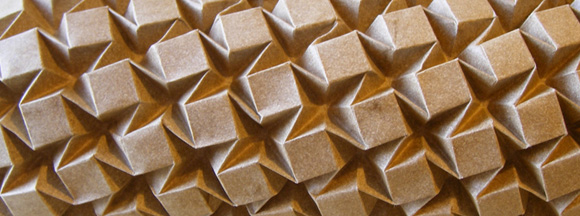
An early post on the blog put forward the idea that information, more than matter and energy, was responsible for the utility of objects. Recognizing the separation of information from these more traditional "stuff" delineators makes for new, and exciting opportunities for manufacturers. One of the fundamental tenets of Humblefacture is that complex order -- valuable information -- can be confered to matter without overly expensive machinery, or outrageous expenditure of energy. Moreover, because this order in the final object can at some point be described as information (a digital file, for example), this methodology of fabrication opens the door to global remix, re-purposing, and conversation, without the need to send heavy matter. This would fundamentally upset the current "developed vs developing" world structure -- designers everywhere would be able to make anything they had the wit to crystalize out of a single share idea ocean. While this might seem outrageous to product designers (I know I've gotten weird looks from my fellow IDSAers), practitioners of origami have been used to it for a while.
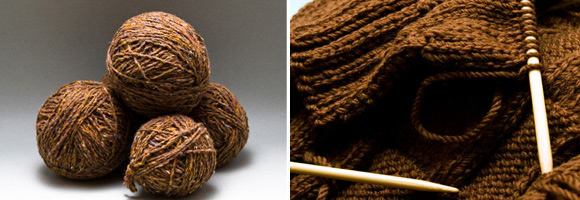
What is the difference between a sweater and a pile of yarn? Nothing is added to the yarn to make a sweater; the yarn weighs the same before knitting as after. Yet the sweater is obviously different than the pile. The energy of knitting might seem to be the difference, but we could make make just as many random knits in the yarn -- expending the same energy -- and end up with a knotty pile of yarn. A knotty pile is definitely different than a regular pile, but it's also significantly different than a sweater. So, if it's not added matter, and it's not added energy, what's left? Answer: Information.

Pick up something off of your desk. That something was manufactured -- made -- using a process or series of processes. Maybe it was carved out of wood, cast in metal, or fired in ceramic. More likely it was molded in plastic or assembled by a robot in a pick-and-place electronics assembly line. Manufacturing and manufactured objects define our cultures and resource usage strategies, and influence the constitution of our societies. Changing the fundamental assumptions about how we should make objects could change the face of our society, and the problems it faces.

 Posts
Posts



