
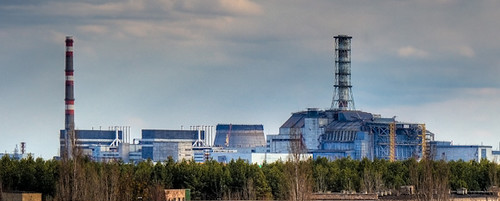
A fundamental tenet of Humblefacture is the importance of scale. Yes, material composition of products is important. And certainly the location of production realative to use is also key. But the concept of scale implies that there are some intensities, or sizes, or durations which are simply too large to fit within the Humblefacture framework. The reason for this, it turns out, is that there is one common unit we all share - the human.
Showing posts with label localism. Show all posts
Showing posts with label localism. Show all posts

Humblefacture might sound like a great idea, with two conditions. First, it will be possible in the future, but not now. And second, it only works for things like furniture, and maybe bikes, but nothing complex. In fact, the principles of Humblefacture can be applied to even the most complicated types of products, and using existing fabrication technologies. A perfect example of this is how the SSG framework, developed at The Humblefactory, allows currently available electronics to waste less, keep value longer, and most importantly, better meet the needs of their users.
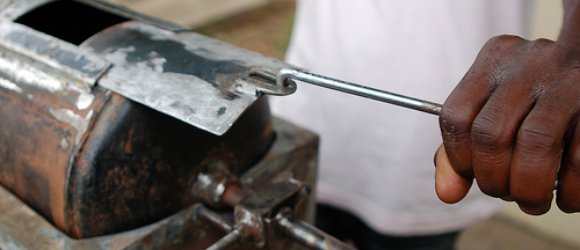
Seems like every week there is some new type of punk steering aesthetics or technology. From punk rock, to post-punk, Cyberpunk, Steampunk, even Biopunk, these gritty ways of life have tried to gain your interest and allegiance. Humblefacture, thought also an ethos which could result in a distinctive styling of product, will hopefully escape the fadish fadings of these movements. But in order to imagine what Humblefacture might become, it might help to compare it to the latest crowd of punks onto the scene -- the Bushpunks.
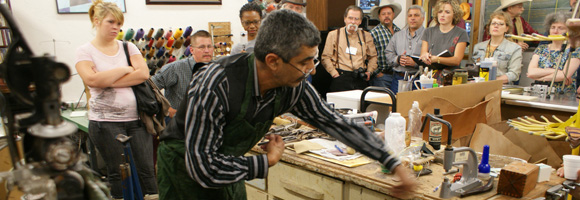
Maybe it's the smell of pencils and college-ruled paper in the air, but politicians in the U.S. are going positively education-crazy. Arne Duncan, education secretary, gave an interview and speech disclosing radical overhauls of our current "No Child Left Behind" policy. President Obama urged students to stay in school, and work hard to learn the skills that would help them compete in a global market. There is good reason that these important people are spending time and effort looking into the affairs of children. Simply put, we have problems to large, numerous, and long-term to be dealt with by the current generation of workers. The question is, how can you train a generation to fabricate a new future without giving them the tools of fabrication?

There is a persistent dream (or self delusion) among eco-minded product designers that somehow, manufacturing before the industrial revolution was "better"; Cottage industry was safer, or cleaner, or fairer, or used fewer resources -- or all of the above. Often, this ideal is backed up with anecdotes of textile mills replacing home-spinners, or IKEA replacing cabinet makers. Certainly, these stories of machinery displacing or invalidating jobs (The British still use the mechanistic term "made redundant" to describe layoffs) are true -- but does this mean that a socially sustainable future must involve some return to pre-agricultural cave dwelling? Of course not. But charting a path to such a future requires a re-examination of the human difference between a tool and a machine.

It's all well and good to say that making is speech. It is something else entirely to work toward truly "free" making -- a goal made more difficult by the fact that the primary "oppressors" of freedom of making are systemic and economic, rather than individual or governmental. Simply making a law, like we did for speech, won't work. Instead, we need to identify new methods and research directions which will lower the systemic barriers of entry to making. I believe that three primary directions exist for this exploration.

Fellow humility advocate Jamais Cascio at the Institute for the Future has written a great article on future economies of resilience. It got us thinking: what makes for resilient making? Resilience means sacrificing some efficiency in order to have reserves and flexibility so that when circumstances change, instead of collapse, a system can sustain itself long enough so that it can change. In modern manufacturing, we see signs of brittleness in factory riots due to economic downturns, and in indicators like the meteoric rise and crash of world cardboard box markets. Hopefully, humblefacturing and other open-source, small-scale manufacturing paradigms will be able to respond more quickly to changing economies, and transition to making other items, or even transition from growing materials to growing food. Whatever the solution, it seems like more makers, more spread out, with more flexibility has to be part of the answer.

Localism is precious. American Apparel's "locally made" t-shirts command a premium and are worn by hipsters the world over. "Locavore" has joined the ranks along with "vegan" and "vegetarian", and even has the approval of Oxford's. Local production has huge benefits, from reducing energy required in transport, to allowing consumers to form connections with their producers, to limiting negative environmental and social impact of manufacture. But even with so many potential benefits, the majority of materials and processes we use to make items simply do not lend themselves to local-scale manufacture.

 Posts



